Welding requires much more than simply joining two pieces of metal. A high-quality weld relies entirely on excellent surface conditions and precise joint fit-up. Even though it does not perform the actual welding, the role of an angle grinder in welding remains foundational to fabrication and repair work.
An angle grinder is often one of the most frequently used tools around a shop. Proper welding surface preparation directly impacts the final strength, penetration, and appearance of the joint. You will consistently rely on an angle grinder for welding prep, material adjustment, and final finishing.
The Role of an Angle Grinder Before Welding
Good preparation prevents bad welds. Grinding before welding ensures the base metal is ready to accept a high-quality arc.
Cleaning Metal Surfaces
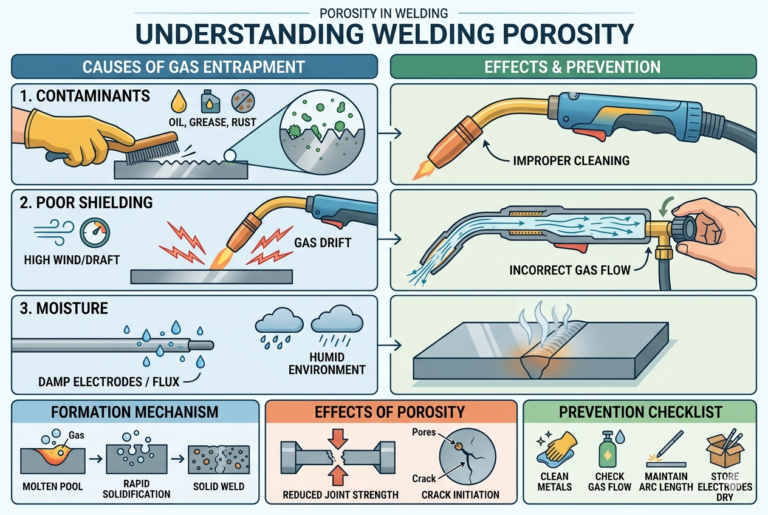
Weld pools reject impurities. An angle grinder strips away rust, mill scale, paint, oxidation, and surface contaminants. Clean metal allows the arc to stabilize quickly, preventing porosity and inclusions in the final weld. Always prep the area immediately surrounding the weld joint, not just the exact line of the weld.
Removing Old Weld Material
Repair work often requires removing damaged, cracked, or failed welds. An angle grinder carefully cuts out the old filler metal, exposing clean base material for rewelding. Skilled fabricators remove just enough material to fix the defect while avoiding unnecessary gouging of the surrounding base metal.
Cutting Metal to Size
Cutting metal with an angle grinder offers a quick solution for thin steel and pipe. Using thin cut-off wheels allows welders to trim structural pieces, make localized adjustments, and shape components on the fly. However, thicker plate metal often requires plasma or oxy-fuel cutting methods.
Weld Preparation for Thick Metal
Thick metals require deep weld penetration. Fabricators use weld preparation tools like angle grinders to create V-grooves or bevels along the edges of thick plates. Beveling creates physical space for the weld material to settle, ensuring the joint fuses completely through the thickness of the metal.
Improving Fit-Up
Perfect cuts rarely happen in real-world fabrication. Angle grinders knock down small obstructions, high spots, and burrs. Adjusting the metal edges before tack welding ensures tight fit-up. Accurate joint fit-up prevents blow-through on thin metals and reduces excessive distortion.
How an Angle Grinder Is Used During Welding
The grinder continues to work even after the arc starts. Welders frequently use an angle grinder to remove or adjust tack welds that restrict movement or cause misalignment. During multi-pass welding, operators quickly brush or grind away silicates and surface irregularities between passes. Carefully grinding between passes prevents trapping defects inside the weld zone.
The Role of an Angle Grinder After Welding
Removing Slag and Spatter
Flux-cored and stick welding processes leave behind a layer of hard slag and spatter. A grinder equipped with a wire wheel effortlessly strips this residue away, exposing the finished weld for visual inspection or non-destructive testing.
Smoothing Excess Weld Material
Sometimes, a project requires flush surfaces. Grinding welds smooths down excess weld material to create flat profiles. However, operators must avoid over-grinding structural or load-bearing welds. Removing the weld reinforcement can severely weaken the joint. You must strictly maintain the required weld profile on structural projects.
Blending and Finishing Metal
Cosmetic welds require excellent finishing. Flap discs smooth sharp edges, blend corners, and prepare fabricated components for paint or powder coating. Proper blending improves the visual appearance without compromising the physical shape of the metal.
Common Types of Angle Grinder Discs Used in Welding
Different tasks require specific abrasives. Matching the disc to the job is critical.
- Grinding Wheels: Thick, rigid discs built for heavy material removal, weld cleanup, and aggressive shaping.
- Cutting Discs: Extremely thin wheels designed strictly for cutting steel and compatible metals. Never use the side of a cutting disc to grind.
- Flap Discs: Overlapping layers of abrasive sandpaper that provide smoother material removal and surface finishing compared with standard hard wheels.
- Wire Wheels and Wire Cups: Excellent for removing paint, light rust, and welding slag without eating into the base metal.
- Diamond or Specialty Discs: High-performance discs for cutting specific alloys, concrete, or tough composite materials.
Why Proper Grinding Matters for Weld Quality
Cleaner metal surfaces directly reduce joint contamination. Precise joint preparation improves arc access and deep penetration, leading to stronger, more consistent welds. However, an angle grinder is a supporting tool, not a crutch. Grinding should support your welding procedure rather than replace proper welding technique. Excessive grinding can introduce defects, thin out base materials, and weaken heavy structural connections.
Common Mistakes When Using an Angle Grinder for Welding
- Using the wrong disc for the specific metal or task.
- Grinding too aggressively and overheating thin sheet metal.
- Removing too much weld metal from a structural joint.
- Contaminating clean steel by using a disc previously used on aluminum.
- Operating with damaged, chipped, or expired grinding wheels.
- Ignoring disc speed ratings and exceeding maximum RPM limits.
- Grinding structural welds flat without understanding the engineering requirements.
- Working without proper guards or personal protective equipment.
Angle Grinder Safety Tips for Welders
Angle grinder safety requires strict discipline. These tools spin up to 11,000 RPM and can cause severe injuries if mishandled.
- Wear appropriate eye and full-face protection alongside your welding hood.
- Use hearing protection and heavy leather gloves.
- Inspect every disc for cracks or chips before installation.
- Confirm that the disc’s maximum speed rating matches or exceeds the grinder’s RPM.
- Keep the factory safety guard properly installed at all times.
- Securely clamp your workpiece before grinding or cutting.
- Direct hot sparks away from flammable materials and bystanders.
- Allow the disc to reach full speed before letting it touch the metal.
- Never force, pinch, or twist a cutting disc inside a kerf.
- Disconnect the power source before changing out any accessories.
Choosing the Right Angle Grinder for Welding Work
Select a grinder based on your daily workload. A standard 4.5-inch corded grinder offers excellent power and reliability for most fabricators. Cordless models provide outstanding mobility for field repairs and tight spaces, though they drain batteries quickly during heavy grinding. Consider the duty cycle, amperage rating, and tool ergonomics to reduce hand fatigue during long shifts.
When Professional Welding and Grinding Is Necessary
Certain jobs carry significant liability. Heavy equipment repairs, pressure-related vessels, safety-critical structural steel, and code-compliant industrial fabrication demand strict oversight. In these environments, improper grinding can completely compromise structural integrity. Always recommend assessment by a qualified welding professional if the integrity of the weld impacts human safety or critical infrastructure.
Conclusion
Understanding the role of an angle grinder in welding makes you a much more capable metalworker. Good preparation directly translates to superior welding results. From stripping rust to slicing through pipe and smoothing final joints, the grinder does the heavy lifting before and after the arc strikes.
Control your pressure, pick the right disc, and remember that grinding supports the weld instead of replacing good technique. For structural repairs, heavy fabrication, or complex metalwork, always reach out to a qualified welding professional to ensure your project meets all safety and quality standards.
Frequently Asked Questions
Yes. Grinding removes paint, oil, rust, and mill scale. Clean metal creates a more stable arc and drastically reduces the chances of porosity and weld defects.
A hard grinding wheel or a coarse flap disc works best for aggressive weld preparation and beveling. Use wire wheels strictly for surface cleaning.
Yes. A hard grinding wheel or a thin cutting wheel can carefully slice or grind out old, cracked, or defective weld material before completing a repair.
No. Grinding a weld perfectly flush can remove the protective reinforcement of the joint. Only grind welds smooth if required for cosmetic reasons or specific engineering designs.
A grinding wheel is a solid, hard abrasive block meant for fast, heavy material removal. A flap disc consists of layered sandpaper strips that remove material slower but leave a much smoother finish.
Yes. Removing too much filler metal reduces the cross-sectional thickness of the joint, causing the weld to fail under load.
A 4.5-inch or 5-inch angle grinder remains the standard choice for most welding and metal fabrication shops due to its balance of power, weight, and maneuverability.
Keep your guard on, secure your workpiece, check your disc ratings, wear safety glasses under a face shield, and direct sparks safely away from gas cylinders and flammable materials.
Never grind down a structural, load-bearing, or pressure-retaining weld without consulting the engineering specifications or a certified welding professional, as this can destroy the joint’s integrity.