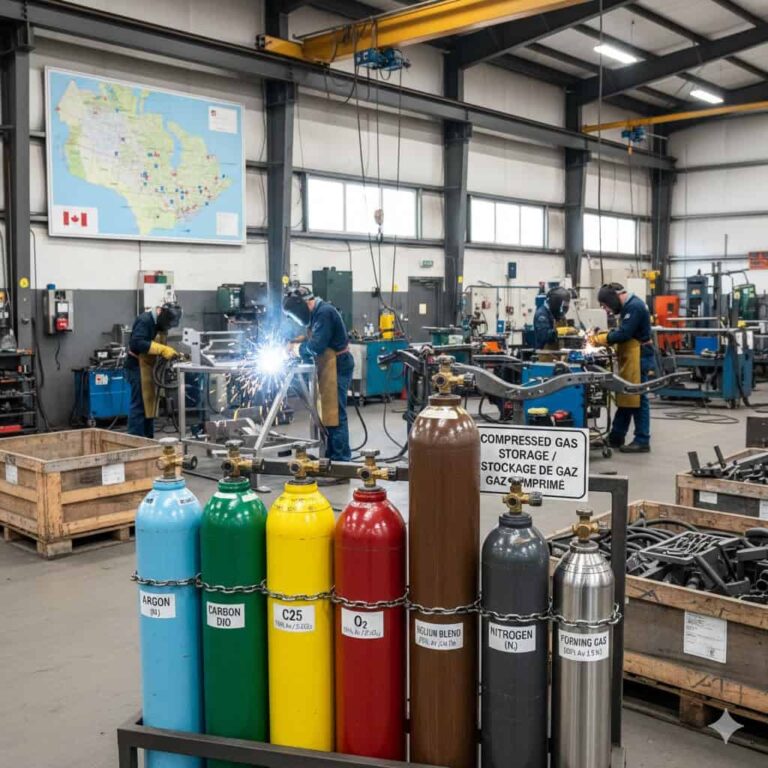

Welding is more than just fusing materials; it’s the foundation of safety and durability for countless structures. In industries like construction, automotive, and manufacturing, the quality of every weld directly impacts performance and reliability.
Does Manual Welding Still Hold Its Ground?
Manual welding, though sometimes overshadowed by automation, holds irreplaceable value. Human precision, adaptability, and skill are essential in crafting seams that can withstand immense stress, vibrations, and environmental factors. Each weld is a testament to craftsmanship, carrying the responsibility of ensuring safety, especially in high-risk applications like bridges, pipelines, and machinery.
The Role of Welders in Welding Jobs
Even in today’s modern tech-driven world, manual welders possess something machines cannot replicate: adaptability. While robotic systems can handle repetitive tasks, manual welders navigate complex angles, challenging positions, and varying materials with unmatched precision. Every joint, seam, and connection requires a keen eye and steady hand to achieve perfect penetration and fusion, ensuring no weak points.
The Consequences of Poor Welding
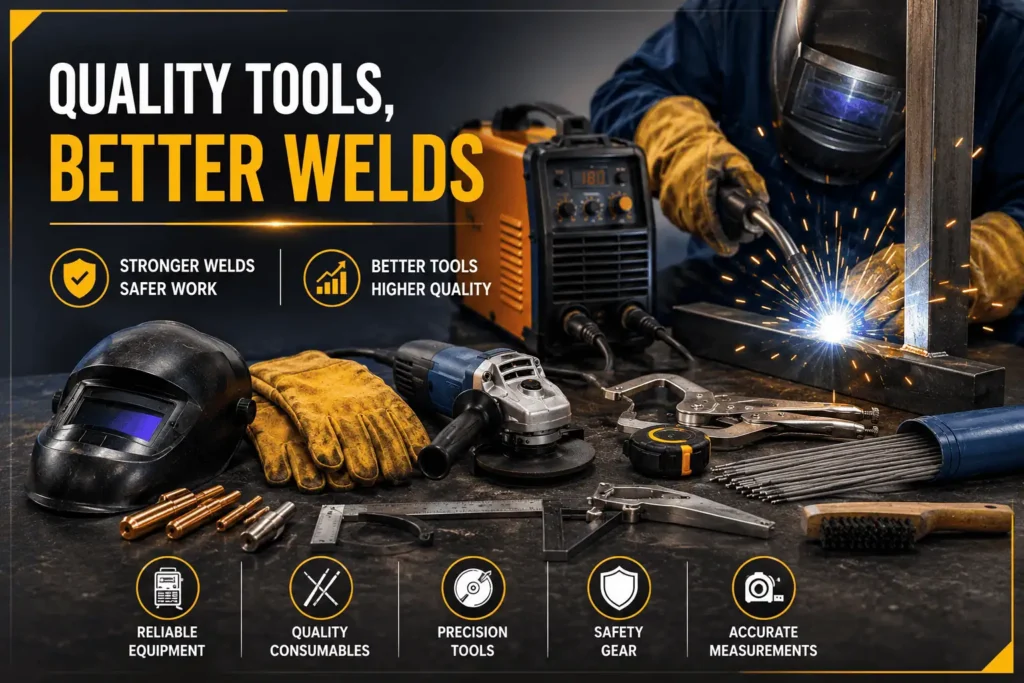
A single flaw in a weld can lead to catastrophic consequences—failure in structures, accidents, and potentially life-threatening situations. Welders must remain vigilant, knowing that their work serves as the backbone of critical infrastructure. They need to choose the right techniques, use the best welding equipment, and follow stringent inspection protocols to ensure that their welds stand the test of time.
Is Manual Welding Still Important?
With advancements in welding technology, automation might seem to take center stage. However, welding by hand continues to be indispensable in custom jobs, repairs, and projects demanding a personalized touch. Human welders assess the nuances of each situation, ensuring that precision goes hand-in-hand with innovation.
In conclusion, every weld matters because it is not just metal being fused—it’s lives, infrastructure, and trust. The skilled hands behind manual welding hold immense responsibility, and their attention to detail is the cornerstone of our world’s safety.