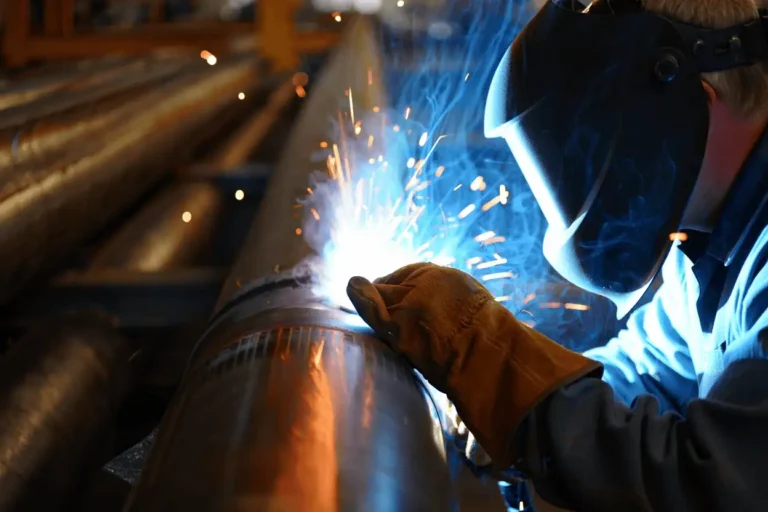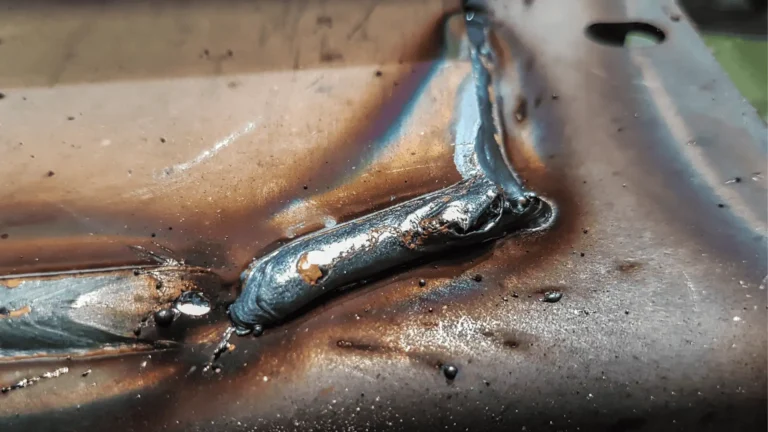
With on-demand fabrication landscape of Ontario, from the sprawling industrial hubs of the GTA to the precision manufacturing strongholds from Toronto to Kitchener-Waterloo, the right welding gas isn’t just a preference, it’s a critical component. Optimize your Ontario fabrication shop with our guide to the 7 essential welding gases. From Argon and C25 to specialty Helium mixes, learn which gases drive productivity in manufacturing sectors.
Ontario’s diverse economy, with its robust automotive, aerospace, construction, and agricultural sectors, demands a versatile approach to welding. Whether you’re laying down beads on structural steel, meticulously joining aluminum components for advanced manufacturing, or repairing agricultural equipment, your choice of shielding gas directly impacts weld integrity, speed, and cost.
In this guide we will explore about the 7 essential welding gases and mixes that fabrication shop in Ontario should use. We’ll also mentioned their unique properties, ideal applications, and why having a diverse, reliable supply is crucial for staying competitive in Canada’s industrial.
Welding Gases – Backbone of Ontario Welding Industry
Before we talk into the gases themselves, let’s consider why a strategic approach to your gas supply is so important, especially in Ontario:
- Diverse Industry Demands: Ontario’s manufacturing base is incredibly varied. From heavy machinery in the north to high-tech medical devices in the south, different projects require different gases.
- Quality & Compliance: With strict standards in automotive (e.g., IATF 16949), aerospace (e.g., AS9100), and construction, weld quality is non-negotiable. The right gas ensures fewer defects and easier compliance with codes like those from the Canadian Welding Bureau (CWB) and Technical Standards and Safety Authority (TSSA).
- Productivity & Cost-Efficiency: Using the wrong gas can lead to slower travel speeds, increased spatter, more post-weld clean-up, and higher consumable usage, all of which eat into your bottom line.
- Supply Chain Reliability: Ontario benefits from a well-established network of gas suppliers. Leveraging this reliable supply ensures you’re never caught short, especially during peak production cycles.
The Essential List: 7 Gases for Professional Fabricators
Now, let’s explore the essential gases:
1. Argon (Ar) – The Versatile Foundation
What it is: Argon is an inert, non-flammable gas that is colourless, odourless, and tasteless. It’s heavier than air, which allows it to create an effective shield over the weld puddle, displacing atmospheric contaminants.
Why it’s essential: Often considered the workhorse of shielding gases, Argon’s inert nature means it won’t react with the molten metal. This results in very stable arcs and clean, high-quality welds.
Ideal Applications in Ontario:
- GTAW (TIG) Welding: Pure argon is the universal standard for TIG welding across virtually all metals, including stainless steel, aluminum, copper, and titanium.
- MIG Welding Aluminum & Non-Ferrous Metals: For GMAW (MIG) welding aluminum, pure argon is critical for achieving good penetration, bead appearance, and minimizing oxidation.
- Back Purging: Used to protect the backside of welds (especially stainless steel and other reactive metals) from atmospheric contamination, crucial for corrosion resistance in applications like food processing equipment common in Ontario.
- Plasma Cutting: A primary gas for plasma cutting various metals.
Ontario Context: Its versatility makes it a cornerstone for shops serving aerospace (e.g., Bombardier in Toronto), custom fabricators, and specialized manufacturers. Given the prevalence of stainless steel fabrication (e.g., dairy equipment) and aluminum work, a reliable Argon supply is chief.
2. Carbon Dioxide (CO₂) – The Economic Powerhouse
What it is: Carbon Dioxide is a reactive gas, meaning it will interact with the molten weld puddle. While 100% CO₂ is less common for high-quality work than mixes, it offers distinct advantages.
Why it’s essential: CO₂ is the least expensive of the common shielding gases and offers excellent penetration, particularly for thicker materials.
Ideal Applications in Ontario:
- MIG Welding Mild Steel (Short Circuit Transfer): For general fabrication, heavy equipment repair (think agricultural machinery in rural Ontario or construction equipment), and applications where cosmetic appearance is secondary to penetration and strength.
- Thicker Materials: Its reactive nature helps achieve deeper penetration, making it suitable for structural steel welding in infrastructure projects.
Drawbacks: Can result in a harsher arc, more spatter, and a rougher bead appearance compared to Argon-rich mixes. It’s rarely used for spray or pulsed spray transfer.
Ontario Context: Cost-conscious shops, those working on heavy steel fabrication, agricultural equipment repair, and general maintenance in sectors like mining or construction will find 100% CO₂ an indispensable, economical option for mild steel.
3. Argon/Carbon Dioxide Blends (e.g., C25, C10, C8) – The Gold Standard for MIG Steel
What it is: These are the most common and versatile mixes for MIG welding mild steel and low-alloy steels. The “C” denotes Carbon Dioxide, and the number indicates the percentage of CO₂. For instance, C25 is 75% Argon, 25% CO₂.
Why it’s essential: These blends combine the arc stability and clean weld characteristics of Argon with the penetration and cost-effectiveness of CO₂.
- C25 (75% Argon / 25% CO₂):
The industry standard for MIG welding mild steel, offering a good balance of arc stability, penetration, and
minimal spatter. It supports short-circuit, globular, and spray transfer modes. - C10 (90% Argon / 10% CO₂):
Offers a smoother arc, less spatter, and better bead appearance than C25, particularly suitable for thinner
materials and pulsed spray transfer. - C8 (92% Argon / 8% CO₂):
Another excellent choice for pulsed spray transfer, delivering superior bead wetting and reduced spatter for critical applications.
Ideal Applications in Ontario:
- General Fabrication: From structural components to chassis and frames, these blends are everywhere in Ontario’s automotive supply chain and heavy manufacturing.
- Automotive Aftermarket: Repair and custom work on vehicles.
- Thinner Gauge Steels: Especially with C10 and C8, for bodywork, enclosures, and light manufacturing.
Ontario Context:
Given the massive footprint of the automotive sector in Southern Ontario (Windsor, Oshawa, Brampton), and the numerous fabrication shops supporting it, Argon/CO₂ blends, especially C25, are non-negotiable. They optimize quality and speed for a huge range of mild steel applications.
4. Argon/Oxygen Blends (e.g., O1, O2) – For Stainless Steel & Spray Transfer
What it is:
Mixtures of Argon with small percentages of Oxygen (typically 1-2%). Oxygen is an active gas that helps to stabilize the arc, improve bead wetting, and reduce undercut, especially in spray transfer mode.
Why it’s essential:
These blends are excellent for MIG welding stainless steel and carbon steel when optimal spray transfer
characteristics and bead appearance are desired.
Ideal Applications in Ontario:
- Stainless Steel Fabrication:
Food and beverage equipment (e.g., breweries, dairies), pharmaceutical manufacturing, and architectural stainless steel. Oxygen helps to create a smoother, flatter bead profile on stainless. - Heavy Fabrication (Carbon Steel):
When using spray transfer on thicker carbon steel components, O1 or O2 can enhance weld quality and speed.
Ontario Context:
With a significant food processing industry and high-tech manufacturing, stainless steel fabrication is a cornerstone. Shops dealing with hygienic environments or aesthetic stainless work will rely heavily on Argon/Oxygen blends for their MIG processes.
5. Argon/Helium Blends (e.g., A75/He25, A50/He50) – For Heat & Penetration
What it is:
Helium is an inert gas, like Argon, but it has a much higher thermal conductivity. This means it transfers heat more
efficiently to the weld puddle. Blends typically range from 25% to 75% Helium.
Why it’s essential:
Helium adds significant heat input to the weld, leading to:
- Increased Penetration:
Particularly beneficial for thicker sections of aluminum and stainless steel. - Faster Travel Speeds:
The higher heat allows for quicker welding, boosting productivity. - Wider Beads:
Can improve wetting and reduce porosity, especially on aluminum.
Ideal Applications in Ontario:
- Thick Aluminum Welding:
For structural aluminum components, large castings, or marine fabrication. - Thick Stainless Steel Welding:
Applications requiring deep, strong welds in stainless, such as heavy-duty pressure vessels or industrial
components. - Copper & Other High-Conductivity Metals:
Helps overcome the rapid heat dissipation of these materials.
Considerations:
Helium is more expensive and less dense than Argon, requiring higher flow rates and careful shielding to prevent atmospheric contamination.
Ontario Context:
In sectors like advanced manufacturing (aerospace, automotive tooling), shipbuilding on the Great Lakes, or heavy industrial repairs where thick sections of non-ferrous or stainless metals are common, Argon/Helium blends are
indispensable for achieving robust, high-integrity welds.
6. Nitrogen (N₂) – The Specialty Player
What it is: Nitrogen is an active, diatomic gas. While not typically used as a primary shielding gas, it plays crucial roles in specific applications.
Why it’s essential:
- Purging:
Often used as a cost-effective alternative to Argon for back purging pipelines, especially for carbon steel or when less critical stainless applications are involved. - Argon-Nitrogen Blends:
Small percentages of nitrogen (e.g., 2-5%) can be added to Argon for MIG welding duplex and super-duplex stainless steels. Nitrogen helps to maintain the microstructure and corrosion resistance of these specialized alloys. - Plasma Cutting:
A common secondary gas for plasma cutting.
Considerations:
Nitrogen gas (N₂) be used for welding plain carbon steels, as it can cause porosity and embrittlement. Great care must be taken when incorporating it into your process.
Ontario Context:
Shops specializing in exotic alloys for chemical processing, pulp and paper, or highly corrosive environments (e.g., in Northern Ontario’s resource sector) will understand the specific benefits of Nitrogen for duplex stainless steel or as an economical purging gas.
7. Forming Gas (Argon/Hydrogen Blends) – For Ultra-Clean Stainless Welds
What it is: These are specialized blends of Argon with a small percentage of Hydrogen (typically 2-5%). Hydrogen is a highly reactive gas.
Why it’s essential:
- Increased Heat: Similar to Helium, Hydrogen significantly increases arc temperature and penetration.
- Reduced Oxidation: Hydrogen acts as a reducing agent, “cleaning” the weld puddle and surrounding metal, leading to brighter, cleaner, and less oxidized stainless steel welds.
- Faster Speeds: The increased heat allows for higher travel speeds, particularly beneficial in automated setups.
Ideal Applications in Ontario:
- High-Quality Stainless Steel Welding (TIG & MIG): Preferred for critical applications in pharmaceutical, food processing, medical devices, and aerospace where impeccable weld appearance and corrosion resistance are paramount.
- Thinner Gauge Stainless: Helps prevent sugaring and discolouration.
Considerations: Hydrogen is a highly flammable gas and must be handled with extreme care. It cannot be used on carbon steel or aluminum, as it causes severe embrittlement and porosity.
Ontario Context: Local fabrication shops serving the province’s stringent medical, pharmaceutical, and high-purity food-grade industries will find Argon/Hydrogen blends indispensable for achieving the highest quality and most aesthetically pleasing stainless steel welds. Think of the specialized equipment manufacturers in cities like Cambridge or London.
Securing Your Gas Supply in Ontario
Having access to these essential gases is one thing; ensuring a reliable, cost-effective supply chain is another. In Ontario, you benefit from a robust network of suppliers, including major international players like Linde, Air Liquide, and Praxair (now part of Linde), alongside reputable independent regional distributors like Josef Gas (GTA), Simcoe Gases (Central Ontario), and others.
When evaluating your gas supplier in Ontario, consider:
- Local Distribution Network: How close is their depot? Can they provide timely deliveries to your location in the GTA, Kitchener-Waterloo, or further afield?
- Cylinder Exchange & Lease Programs: Understand the difference between customer-owned cylinders (requiring periodic hydrotesting) and leased cylinders (where the supplier handles maintenance).
- Technical Support: Do they offer expertise in gas selection for specific applications and help with optimizing your processes?
- Bulk Supply Options: For high-volume users, consider on-site bulk tanks (micro-bulk or larger) for cost savings and continuous supply.
- Safety Training: Reputable suppliers can provide guidance on TSSA and OHSA regulations for compressed gas storage and handling in your facility.
Conclusion
For any Ontario fabrication shop aiming for peak performance, a comprehensive understanding and inventory of welding gases is a non-negotiable asset. From the foundational stability of Argon to the specialized heat of Helium and the clean-weld magic of Forming Gas, each cylinder plays a vital role in meeting the diverse demands of Ontario’s
industrial landscape.
Strategically manage gas and partner with local distributors to enhance weld quality, boost productivity, and stay competitive in Ontario. Don’t let your gas selection be an afterthought, it’s a fundamental decision that impacts every weld you lay.